
Small mammals

Gliders and the rest of the mammal room.

We do not post sample animals. Call or visit and ask what is available. Habitat, a companion plan, and the diet come before any glider goes home.

Sugar glider

What is a sugar glider?

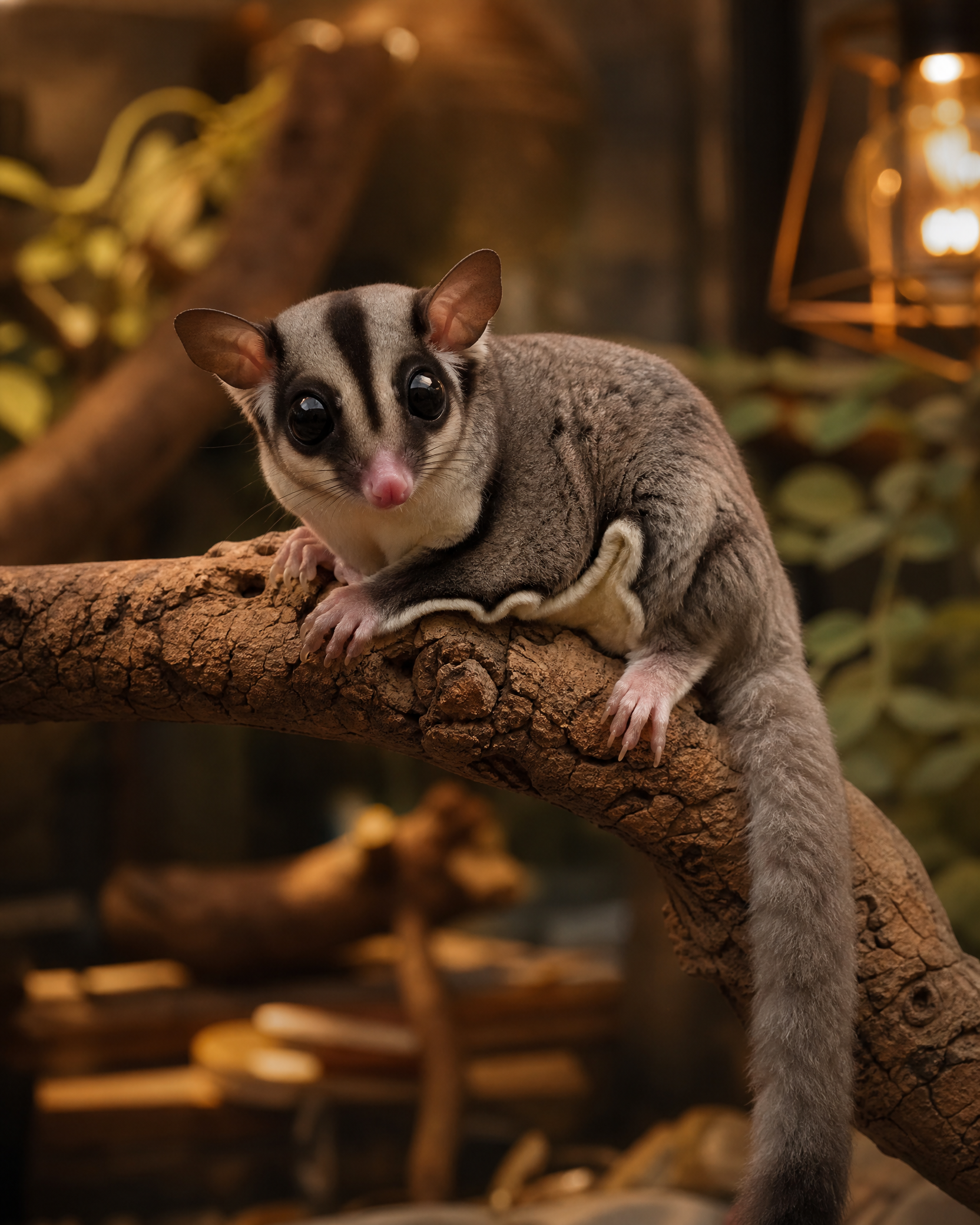
A sugar glider is a small mammal that looks a bit like a flying squirrel. It is a marsupial, a kind of tree opossum native to Australia. Gliders are nocturnal, with large eyes for low light. A stretchy membrane of skin runs from the wrist to the ankle and opens when the animal launches. Gliders have been known to glide more than 150 feet. The sugar in the name is the craving for sweet food that fuels a high metabolism. In the wild they live in small family groups in tree hollows by day and forage at dusk.
Is a glider the right pet?

Ask this seriously, for the animal. A glider can die from bad husbandry. Expect 10 to 12 years or more with proper care — the same daily attention you would give a dog or a cat, not a weekend pet. If you want something you can leave with a water bottle and a pile of food, a hamster or gerbil is the better fit. If you want a rewarding, interactive animal that is a little different, a glider may be. We are one source. Read a couple of books, look at a couple of sites, and talk to more than one person before you decide.

Cage, nest, and food

A tall cage with 1/4-inch (finch) wire spacing and several platforms. Cages made for gliders are a good choice. Some bird cages work once they are adapted. 18 × 18 × 36 inches will house a glider; more room is better. Give a secure daytime hide: a medium-to-large bird nest box, or a fleece pouch hung on the side. Fleece warning: the grooming claw snags in fleece. A glider can get stuck, stress, weaken, dehydrate, or die. Check pouches. Fresh food every day and fresh water at all times.

Settling in and feeding

A new glider is frightened. Leave it alone to learn the cage, the hide, and the food, and watch the first few days. Stress burns energy fast. Once it knows the space, expect about two to six weeks of crabbing and lunging, less with a young animal won over by treats. They stir at dusk, raid the dishes, and bark at each other. That is the easy time to interact. Our gliders always have a pelleted diet made for sugar gliders. We use, sell, and recommend Exotic Nutrition's Sugar Glider Total Diet, and we carry a few other pellets because gliders are picky. On top of that we rotate one to three extras most nights: melon, cherries, strawberries, orange, hard-boiled egg or raw quail egg, dried papaya and mango with no preservatives, yogurt or yogurt drops, mixed vegetables, superworms, mealworms, waxworms, crickets, frozen pinkie mice, fruit baby food, a little honey, whole-grain cereal such as Cheerios, and peanuts in moderation.

When something looks wrong

Weak, listless, and hugging the cage floor: the metabolism may have bottomed out. Offer fruit juice, honey, or GliderAid, let the animal rest, and keep those sweet supplements in the rotation. Overweight: cut the fatty foods. Peanuts and waxworms are treats, not the menu, and overweight gliders do not breed well. Suddenly secretive and not coming out to eat: a male and female are often tending babies and living off fat reserves for the first weeks. Keep offering fresh food and water anyway.

Other mammals

Hamsters, rats, mice, and special orders.

The small-mammal department changed after the move to Avon in 2006. We keep hamsters, rats, and mice, and of course sugar gliders. We can special-order ferrets, guinea pigs, bunnies, chinchillas, and hedgehogs as healthy young animals from reputable, USDA-approved sources.

Some animals are bred in the store. Hamsters we have bred here include golden, brown and white, long hair, blackberry teddy bear, and panda bear. We have also worked with a pair of fat-tailed jirds, a gerbil relative. We stock housing, food, and the rest of the setup for a long life as a companion.

What is on the floor changes. Call (860) 674-0160 or come in and ask.

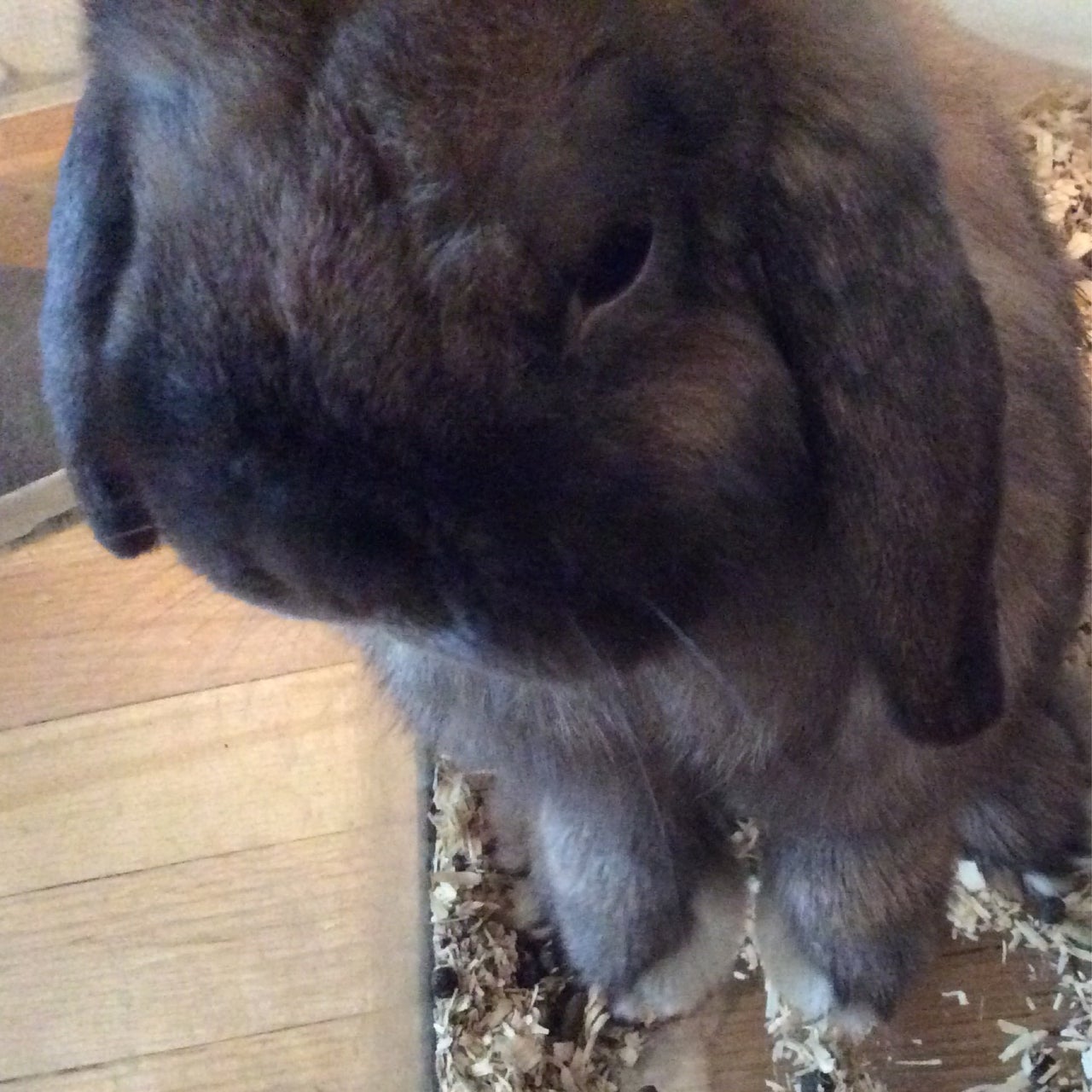
Lop-eared rabbit in bedding at Harris in Wonderland

Glider products

Supplies we have carried for gliders.

Names only. Prices are whatever the Square shop or the counter says today — we are not reprinting an old price list. Ask if a size is in stock.

GliderAid

A supplement with bee pollen and complex sugars for a high metabolism. We use it to acclimate, hydrate, and train.

Glider Complete

A simplified high-protein diet with papaya, pears, golden raisins, pineapple, apples, peaches, blueberries, apricots, honey, and bee pollen. Exotic Nutrition Sugar Glider Total Diet is the pellet we use and recommend, and it is in the Square shop.

Insect Eater and ZuPreem marmoset

Insect Eater adds insect protein. ZuPreem marmoset diet, canned, is a useful extra for variety.

Books and treats

Barron's Sugar Gliders is the book we point people to first. Fruit medley (no harmful preservatives) and yogurt drops are training treats.

Cage furniture

Hanging polar-fleece nest pouches, Care Fresh bedding, bendable rope perches, rope-and-wood ladders, and Zoo Med Can O' Insects (crickets, mealworms, pillars). Read the fleece warning above before you hang a pouch.