
turtles-tortoises · first animal
Red-eared slider
Trachemys scripta elegans
A large, active aquatic turtle from the southeastern United States, Florida to southern Maryland and west to the Mississippi and Texas. They bask by day and eat like they mean it.
- Handling
- Wonderful if you will keep up with the water. Voracious, long-lived, and messy. Be honest about the maintenance before you take one home.
- Enclosure
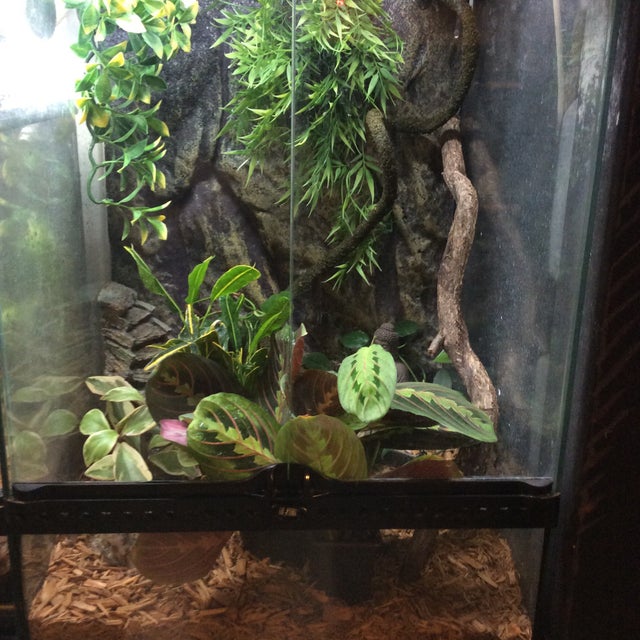
- Land and a real water area. The turtle must be able to climb fully out. Water deep enough that it can stand and still reach the surface with its head. A 10-gallon tank will house a baby, and it will likely outgrow that within a year. A juvenile wants at least a 30-gallon, or similar space. An adult wants something more like a 55-gallon. Get a large canister filter. The bigger the turtle, the faster the water fouls.
- Heat
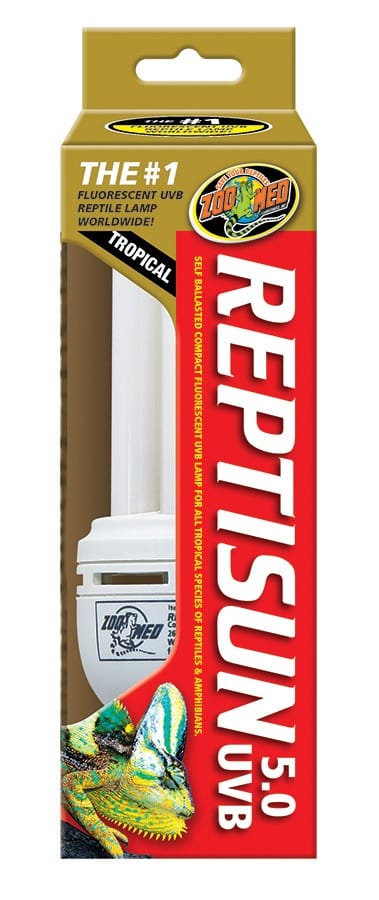
- A basking area in the 80 to 90°F range so food can digest. Avoid sitting in the 60s for long stretches — too cold to digest, too warm to shut down. A heat bulb and a UV source both matter.
- Humidity
- This is an aquatic turtle, not a dry box. Clean water, a haul-out, and a basking lamp. Stagnant, unfiltered water is how these fail.
- Diet
- Hatchlings: a prepared turtle food such as Tetra Reptomin, once or twice a day, only what they will finish. Adults: add dark leaf lettuce and other greens, feeder fish, cooked strips of chicken, and earthworms. Every other day in the warm months, less often when it is cool.
Red-eared sliders are the aquatic beginner we recommend, alongside red-foot or Russian tortoises on land. Call for what is actually in the shop.