lizards · first animal
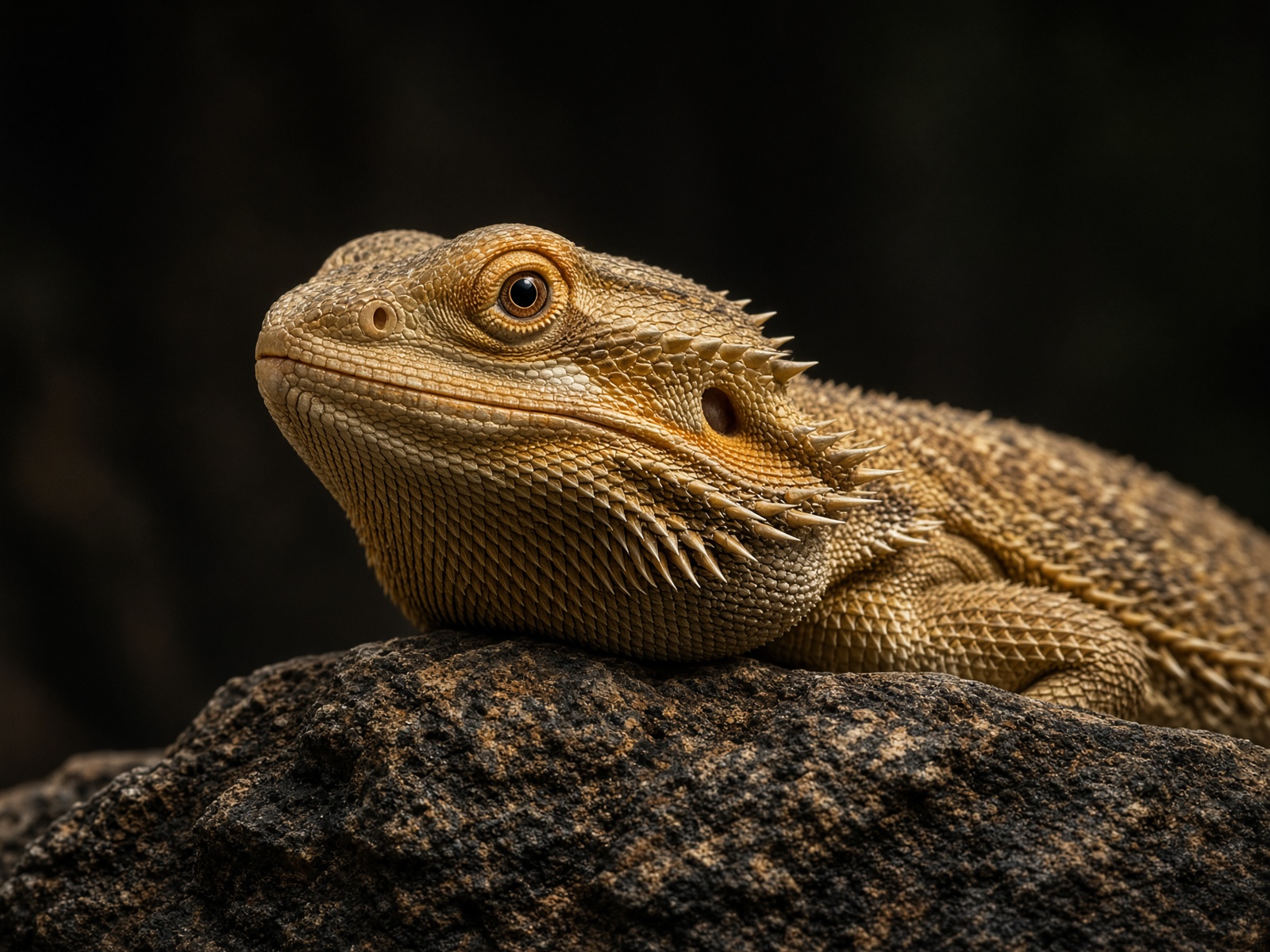
Bearded dragon
Pogona vitticeps
A day-active desert lizard from inland Australia. Hatchlings need careful feeding. Adults are a medium to large, active animal.
- Handling
- A lizard you can work with once the enclosure, heat, and UV are actually in place. Buy a healthy captive-bred animal and ask what it is eating.
- Enclosure
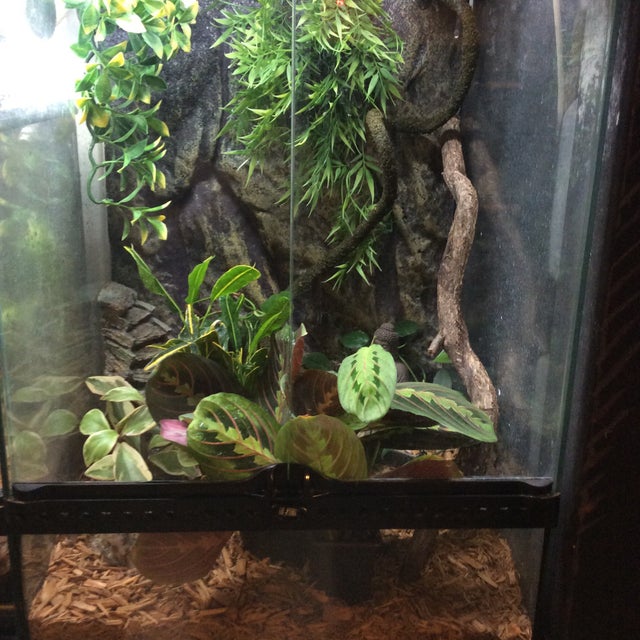
- A 10-gallon tank will house one baby to juvenile for about eight months. A 55-gallon tank will house a pair of adults. Paper towels or newspaper for babies so they cannot swallow sand. Adults can be kept on sand or Calci-Sand. Rocks, branches, and a hide.
- Heat
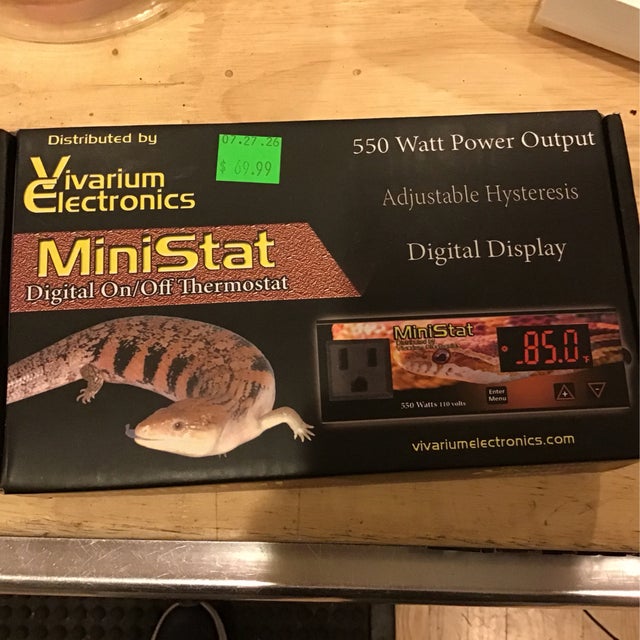
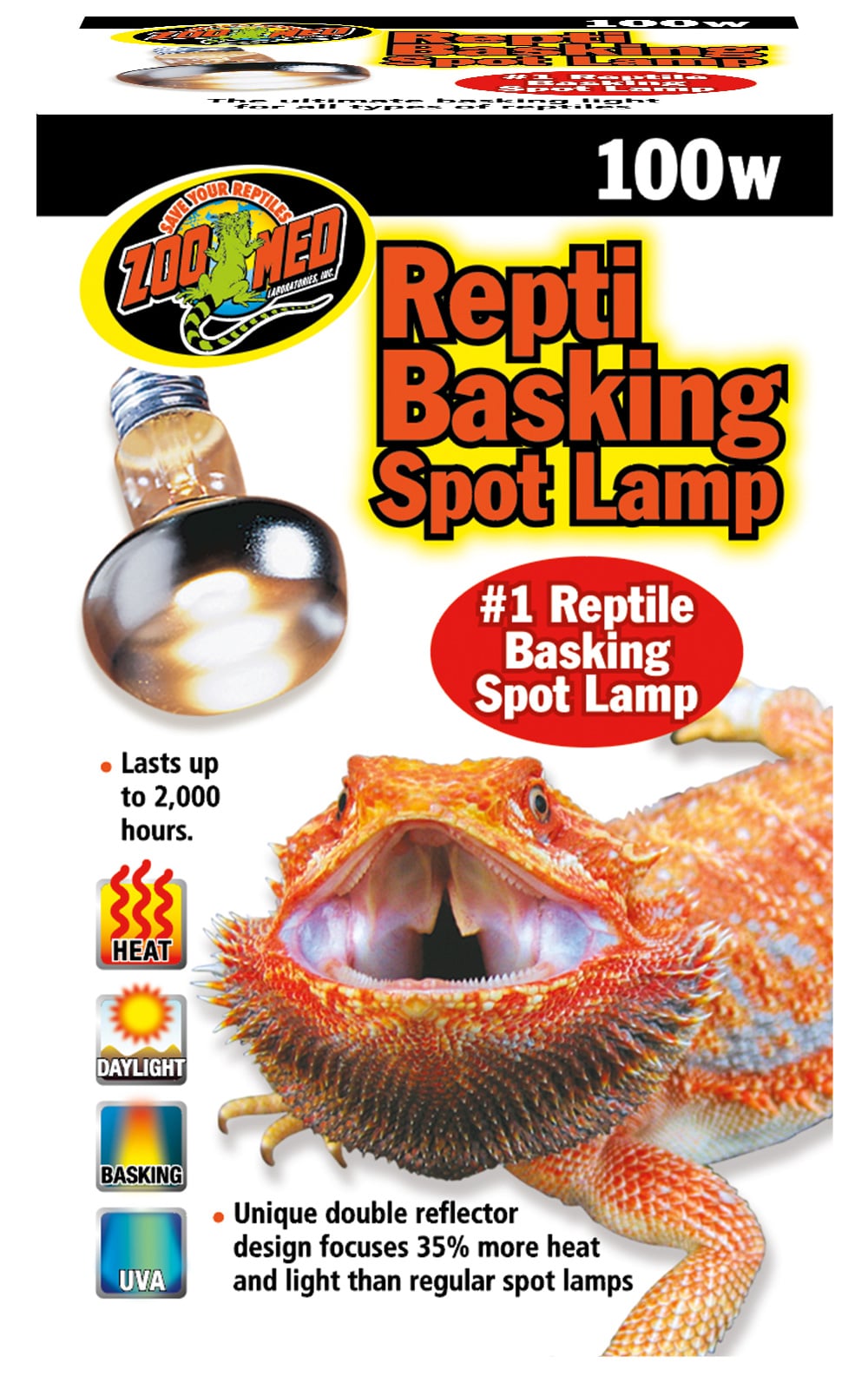
- We prefer a heat bulb in a reflector dome over a heat pad or heat rock. Adults run 18 to 24 inches and need room to be active through the day.
- Humidity
- Hot and dry, the inland Australian desert. A small water bowl, cleaned often. Mist a baby daily so it does not dry out — they may not drink from a bowl.
- Diet
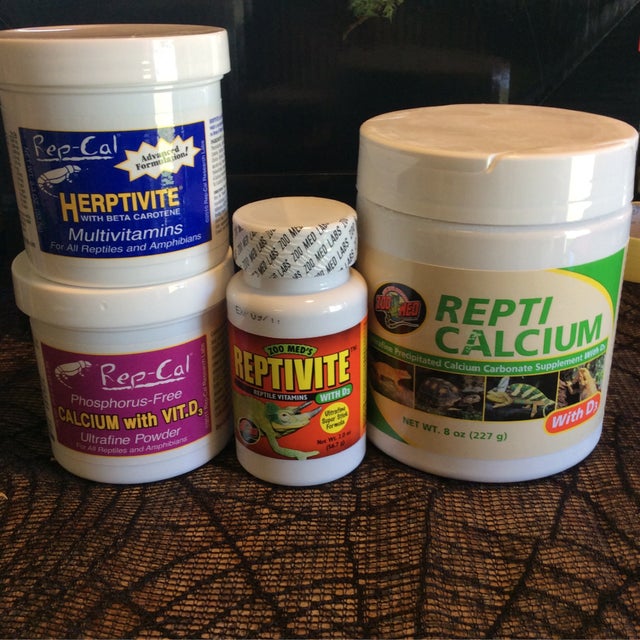
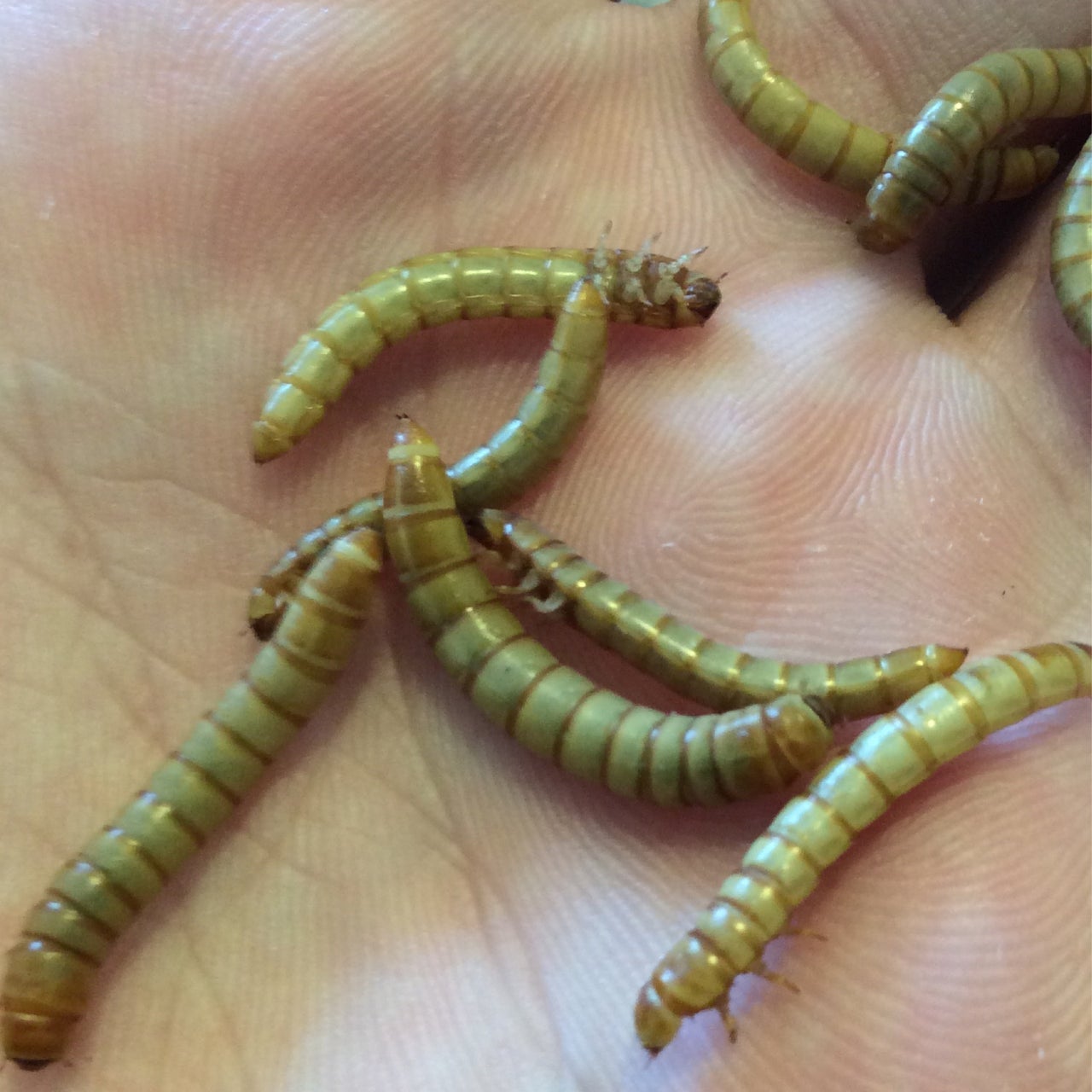
- Hatchlings: crickets no longer than the width of the head (about 1/2 inch or smaller), small mealworms, waxworms, and greens. Feed every day. Gut-load and dust with a vitamin and mineral powder. Adults: larger crickets, superworms, pinkie mice, more vegetables and some fruit, once a day, four to six times a week. Dust every other or every third feeding. Breeding females need more food and more supplementation. Expect 8 to 10 years or more with proper care.
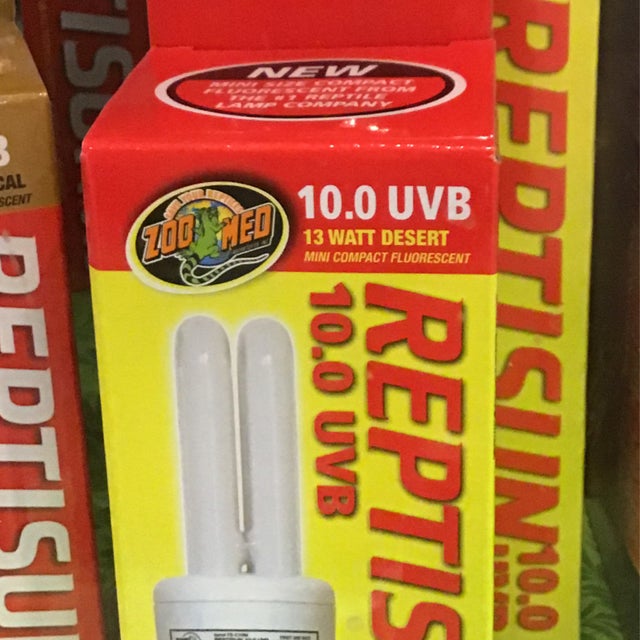
Do not skip the UV bulb. A dragon will die without the right lighting. This sheet is a start — ask us, and keep a bearded dragon book on hand. Find a reptile vet before you need one.